
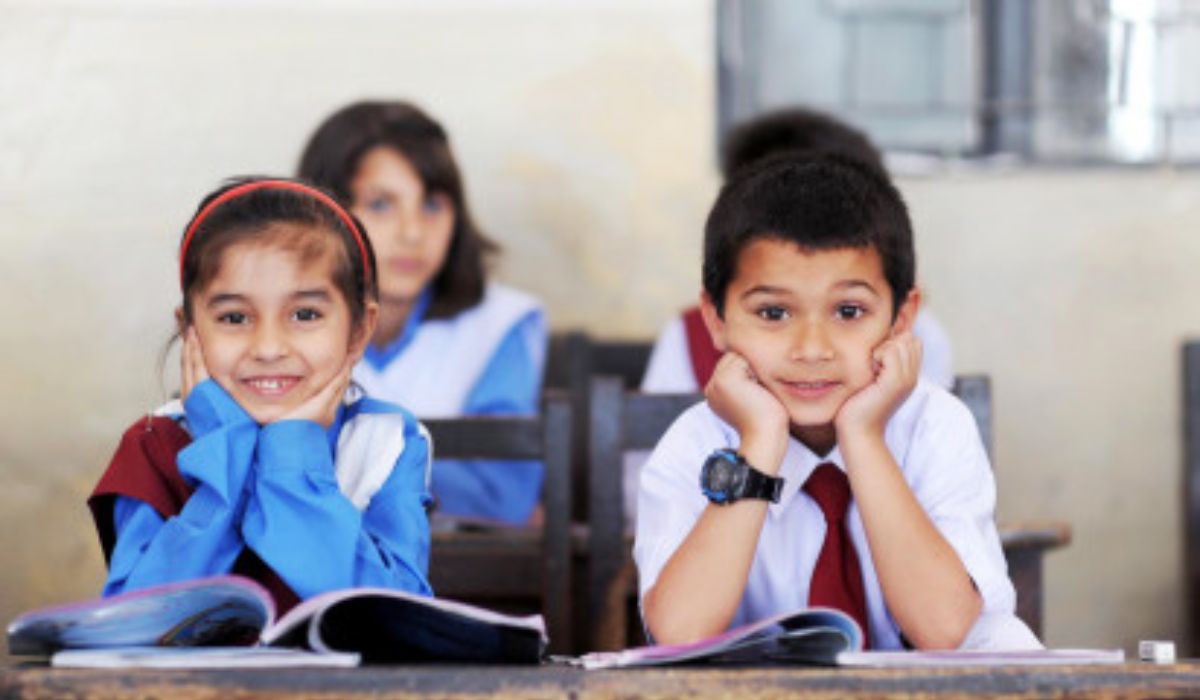
Despite a declared “education emergency,” Pakistan still has 22 million children aged 5 to 16 out of school — a figure that dwarfs most nations.
The situation worsens as UNICEF projects a global decline in education aid by nearly one-quarter over the next two years. National data paints a grim picture. In Balochistan, 69 per cent of children are unenrolled.
Sindh follows with 44 per cent, Khyber Pakhtunkhwa with 34 per cent and Punjab with 27 per cent. Girls remain the most vulnerable, facing barriers of distance, safety, and discrimination.
UNICEF warns that worldwide, nearly six million more children may drop out by 2026 if aid falls to $3.2 billion. Pakistan, already underfunding education at just 1.7 per cent of GDP, is likely to suffer deeply from such a shift.
Prime Minister Shehbaz Sharif’s 2024 pledge to achieve “zero out-of-school children” by 2025 is increasingly viewed as unrealistic.
Opposition parties accuse the government of mismanaging emergency funds and diverting resources toward election projects.
Education Minister Khalid Maqbool Siddiqui insists that over one million children were enrolled in the past year, but admits climate shocks, devolution, and population growth have slowed progress.
International organisations warn that Pakistan risks failing its next generation. “When ghost schools thrive while children study under trees, it is not an emergency but neglect,” said education analyst Dr Ayesha Siddiqui.