
Pakistan’s weekly inflation, measured through the Sensitive Price Index (SPI), rose by 1.29% for the week ending September 4, 2025, according to data released by the Pakistan Bureau of Statistics (PBS). The spike was led by a staggering 46.03% increase in tomato prices, followed by wheat flour (25.41%) and onions (8.57%), intensifying pressure on household budgets.
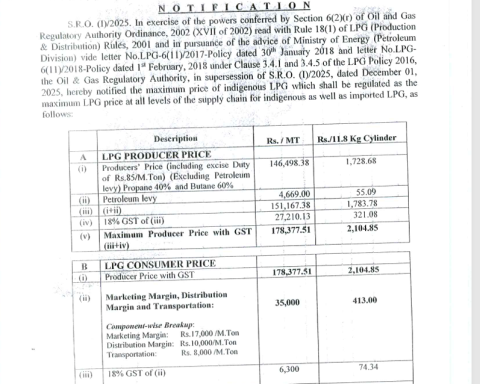
Out of 51 essential items tracked, prices of 23 items (45.10%) increased, 4 items (7.84%) declined, while 24 items (47.06%) remained unchanged. Other notable weekly gainers included rice basmati broken (2.62%), garlic (2.04%), potatoes (1.38%), and pulse moong (1.29%). Even basic staples like bread and LPG saw upticks of 1.19% and 0.88%, respectively.
Conversely, relief was seen in the prices of bananas (-3.86%), diesel (-0.91%), sugar (-0.13%), and mustard oil (-0.10%).
Read More: Messi scores twice in final home qualifier as Argentina beat Venezuela
On a year-on-year basis, SPI inflation climbed 5.07%, with tomatoes again topping the list with an 83.45% surge. Footwear costs also soared, with ladies sandals up by 55.62%. Wheat flour (30.27%), gas charges (29.85%), and sugar (27.43%) added to the inflationary burden.
However, some commodities offered respite. Onion prices plunged 47%, garlic dropped 25.50%, and pulses like mash and gram declined over 19%. Electricity charges for Q1 fell 18.12%, while branded tea and LPG also saw modest declines.
The latest SPI figures underscore the volatility in food and energy prices, raising concerns over affordability and access for lower-income households.